Armagnac for Whiskey Lovers: Why This French Brandy Deserves Your Attention
March 5, 2025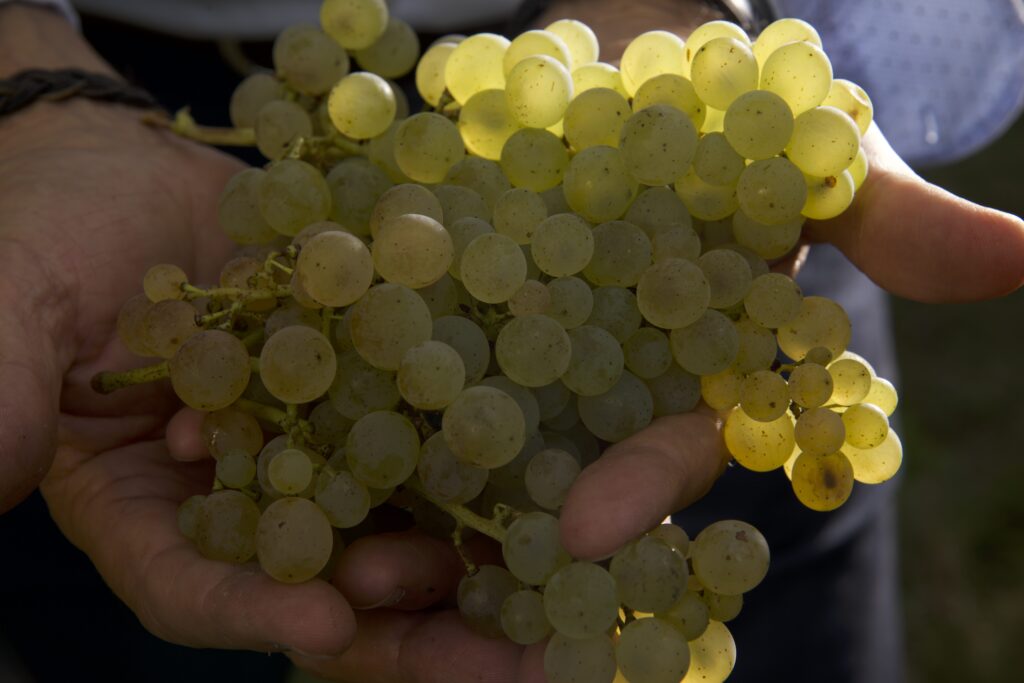
The Difference between Armagnac and Cognac
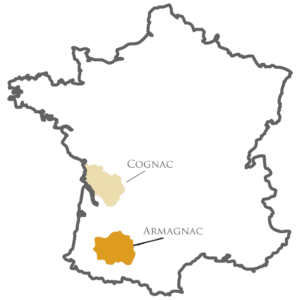
When it comes to French brandy, most people instantly think of Cognac. It’s the name you’ve heard in songs, spotted in luxury bars, and seen on high-end shelves. But quietly tucked away in the rolling hills of Gascony lies Armagnac, Cognac’s older, bolder, and arguably more authentic cousin. While Cognac has ruled the spotlight, Armagnac is now stepping into its well-deserved moment.
Let’s dive deep into the key differences between these two historic categories, and why Armagnac is shaping up to be the future of the Brandy business.
Origins and History
There is Cognac from the Charente region of western France, which gained global popularity with its large-scale production, exportation to worldwide markets, and marketing muscle.
• Armagnac, produced in Gascony (southwest France), is actually France’s original brandy, tracing its origins back to the 14th century – some 200 years ahead of Cognac.
The heritage and workmanship of Armagnac place it in the hands of connoisseurs who seek tradition and authenticity.
Distillation: Single or Double
Cognac is double-distilled in traditional pot stills to yield a lighter, smoother spirit that’s often blended to create a house style.
•Armagnac is typically distilled only once in a continuous column still (a traditional “Alambic Armagnacais”). This creates a heavier, richer-bodied spirit with more of the grape’s character and terroir.
That single distillation? It’s a flavor keeper!
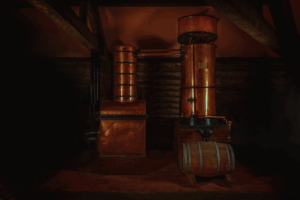
Alambic Armagnacais
Grape Varieties and Flavor Profiles
Cognac is built predominantly on Ugni Blanc, with an emphasis on elegance and consistency.
Armagnac is distinguished by the diversity of grape varieties permitted in its production, offering a broader palette of aromas and flavors than many other brandies. While the primary four: Baco Blanc, Folle Blanche, Colombard, and Ugni Blanc form the foundation of most blends, each plays a specific role in shaping the spirit’s character. Baco, the only hybrid grape still allowed in French AOC spirits, adds weight, richness, and structure, particularly beneficial for long aging. Folle Blanche, the historical grape of Armagnac, contributes floral elegance and vibrant acidity. Colombard brings fruitiness, freshness, and a touch of spice, while Ugni Blanc (also widely used in Cognac) provides a clean, balanced base with good acidity.
In addition to these four, six other lesser-known but officially authorized white grape varieties add further nuance and individuality when used: Meslier-Saint-François, Clairette de Gascogne, Jurançon Blanc, Plant de Graisse, Mauzac Blanc, and Mauzac Rosé. These grapes are rarely employed in large quantities but offer winemakers additional tools for crafting small-batch or experimental distillates. They contribute unique layers ranging from herbal notes to soft floral aroma, enhancing Armagnac’s reputation as one of the most complex and expressive spirits in the world.
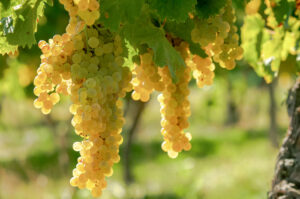
Colombard Grapes
Tasting Notes:
• Cognac: Floral, smooth, light spice, elegant.
• Armagnac: Earthy, nutty, rich, dried fruits, spice – opulent and more complex.
If Cognac is silk, Armagnac is velvet.
Scale of Production
Cognac is dominated by large houses (Hennessy, Rémy Martin, Martell, and Courvoisier) that produce on a colossal scale and blend extensively for international consistency.
Armagnac, by contrast, is produced by small estates, some of them multi-generational families who take great pride in their legacy. That means that it is small batches, vintage-dated bottles, and special releases, a connoisseur and collector’s ultimate wish.

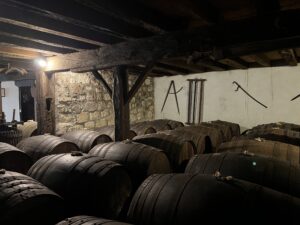
Cellar – Old Vintage Armagnac Barrels
Why Armagnac is the Future of Brandy
As consumers become more discerning, they’re looking for authenticity, craftsmanship, and character, something Armagnac has to spare.
•Sugar-free and caramel color-free: Unlike so much mass-market spirits, most Armagnacs (especially ultra-premium types like Cardinal du Four) are sugar and caramel free, with a natural, dry finish that’s perfect for food pairing or sipping neat.
• Sustainability & Storytelling: With its focus on heritage and terroir, Armagnac covers all the modern values: sustainability, slow craft, and provenance.
• Mixology’s New Darling: Adventurous and complex, Armagnac is being embraced by mixologists wanting to replace whiskey or Cognac in classic cocktails like the Manhattan, Sidecar, or Old Fashioned with a twist.
Final Thoughts
In a world where audiences are hungry for content rather than image, Armagnac is ready to lead a renaissance of the brandy category. For those who deeply understand the tale in every glass, Armagnac is where the future is being poured.